How to Use Seasonal Flavors to Drive Holiday Sales
The holiday season gives food and beverage brands something every marketer wants: consumers who are already looking for a reason to try, buy and celebrate.
In 2025, the National Retail Federation projected that U.S. holiday retail sales would surpass $1 trillion for the first time, reaching between $1.01 trillion and $1.02 trillion during November and December. Shoppers planned to spend an average of $890.49 on holiday purchases, with nearly 30% of that budget, or $262.56, earmarked specifically for seasonal purchases such as food, candy, decorations and greeting cards.
Food and beverages are a major part of the holiday budget. A 2025 YouGov survey found that 65% of U.S. adults planned to spend up to $300 on holiday food and drinks.
That creates a major opportunity for food and beverage brands, but also tremendous competition for consumer attention. Festive packaging alone is not enough. Seasonal flavors and limited-edition products give shoppers an immediate reason to try something new, especially when brands put those products directly into consumers' hands.
Why Seasonal Flavors Drive Holiday Purchases
Seasonal flavors work because they combine familiarity with novelty. Pumpkin spice, peppermint, gingerbread, cranberry, maple, apple, toasted marshmallow, sugar cookie and hot cocoa already carry strong associations with fall and winter traditions. When a brand applies one of those flavors to a new beverage, snack, supplement or dessert, the product feels both fresh and instantly recognizable.
That balance matters. Consumers get the excitement of discovering something new without being asked to embrace an entirely unfamiliar idea.
Seasonal products also benefit from a built-in deadline. Shoppers know a limited-edition flavor may disappear when the holiday season ends, which gives them a reason to try it now instead of postponing the purchase. Circana found that 91% of consumers are more likely to visit a restaurant chain when it offers limited-time products or new menu items. Research cited by FlavorSum also found that seasonal or limited-edition flavors influence the purchasing decisions of approximately one in four North American consumers.
The strongest seasonal products often do more than follow a trend. They connect a product to a ritual. A peppermint beverage becomes part of a shopping trip. A gingerbread snack belongs at a holiday gathering. A cranberry cocktail fits a seasonal party. A vanilla, cinnamon or sugar-cookie body-care collection becomes an easy gift.
This opportunity extends well beyond traditional food and beverage marketing. Beauty, skincare, fragrance, wellness and other DTC brands can use seasonal scents, flavors, colors, bundles and limited-edition packaging to create the same sense of discovery and urgency. Circana reported that 25% of annual prestige fragrance sales occur in December, while holiday gift sets and beauty minis perform strongly across beauty categories. The season is not simply a promotional period. It is a product-discovery period.
Limited Availability Creates Urgency, but Trial Drives Adoption
A seasonal flavor can earn a click, impression or second glance on the shelf. It cannot guarantee that a consumer will like the product.
That is the central challenge of seasonal product marketing. The selling window is short, and shoppers may hesitate to purchase a full-sized product in a flavor, scent or formulation they have never tried. Brands have less time to overcome that uncertainty than they would with a permanent product launch.
Sampling closes that gap. It allows consumers to taste, smell, touch or test a seasonal product before committing to a purchase. The experience turns an abstract promise into a personal reaction: “I would buy this,” “I know who would love this,” or “I need to share this.”
Live experiences can also influence more than the transaction happening at the activation. EventTrack research found that 85% of consumers were likely to purchase after participating in a brand event or experience, and 91% left with more positive feelings about the brand. For seasonal products operating within a compressed sales window, moving consumers from awareness to confidence that quickly is especially valuable.
Digital Advertising Builds Awareness. Sampling Builds Belief.
Traditional digital advertising remains an important part of a holiday marketing strategy. Paid search can capture consumers already looking for holiday products. Social advertising can introduce a limited-edition launch, reach a target audience and build anticipation. Influencer partnerships, email marketing and retail media can reinforce the product across multiple touchpoints.
But digital advertising still asks consumers to imagine the experience.
A video can show steam rising from a seasonal latte, but it cannot deliver its aroma. An Instagram ad can make a peppermint snack look irresistible, but it cannot confirm how it tastes. A creator can describe the texture of a skincare product or the notes in a holiday fragrance, but each consumer still has to take that description on faith.
In-person product sampling completes the job digital marketing starts. It gives consumers direct evidence, creates an opportunity for questions and produces a real memory associated with the brand. When the physical activation is connected to paid social, retargeting, email capture, QR codes and retail offers, sampling becomes the centerpiece of an integrated holiday campaign rather than a separate tactic.
Take Seasonal Products Directly to the Right Markets
One advantage of experiential marketing is the ability to choose exactly where product discovery happens. Instead of waiting for consumers to encounter a seasonal launch on a crowded shelf, brands can bring the product to markets, events and communities with the greatest potential.
A holiday sampling tour might visit priority retail markets such as New York, Los Angeles, Chicago, Dallas, Miami or Boston. A regional campaign can focus on cities where the product has strong distribution, where paid advertising is already running or where the brand wants to establish a larger presence. Brands can also test multiple markets and compare consumer reactions, flavor preferences and conversion activity by location.
The calendar creates additional opportunities to meet consumers while they are already in a festive, social or shopping mindset. Strong holiday sampling locations include:
Holiday markets, tree lightings and winter festivals
Shopping districts, malls and retail centers
Store openings and high-volume retail locations
College campuses before Thanksgiving and winter break
Office districts, commuter hubs and downtown plazas
Football games, tailgates and other seasonal sporting events
Concerts, conventions and community celebrations
Corporate holiday events and employee appreciation programs
The goal is not simply to find the largest crowd. It is to identify the places where the right consumers have enough time and interest to experience the product, understand the offer and take a measurable next step.
Bloom Winterberry: Match the Product to the Holiday Moment
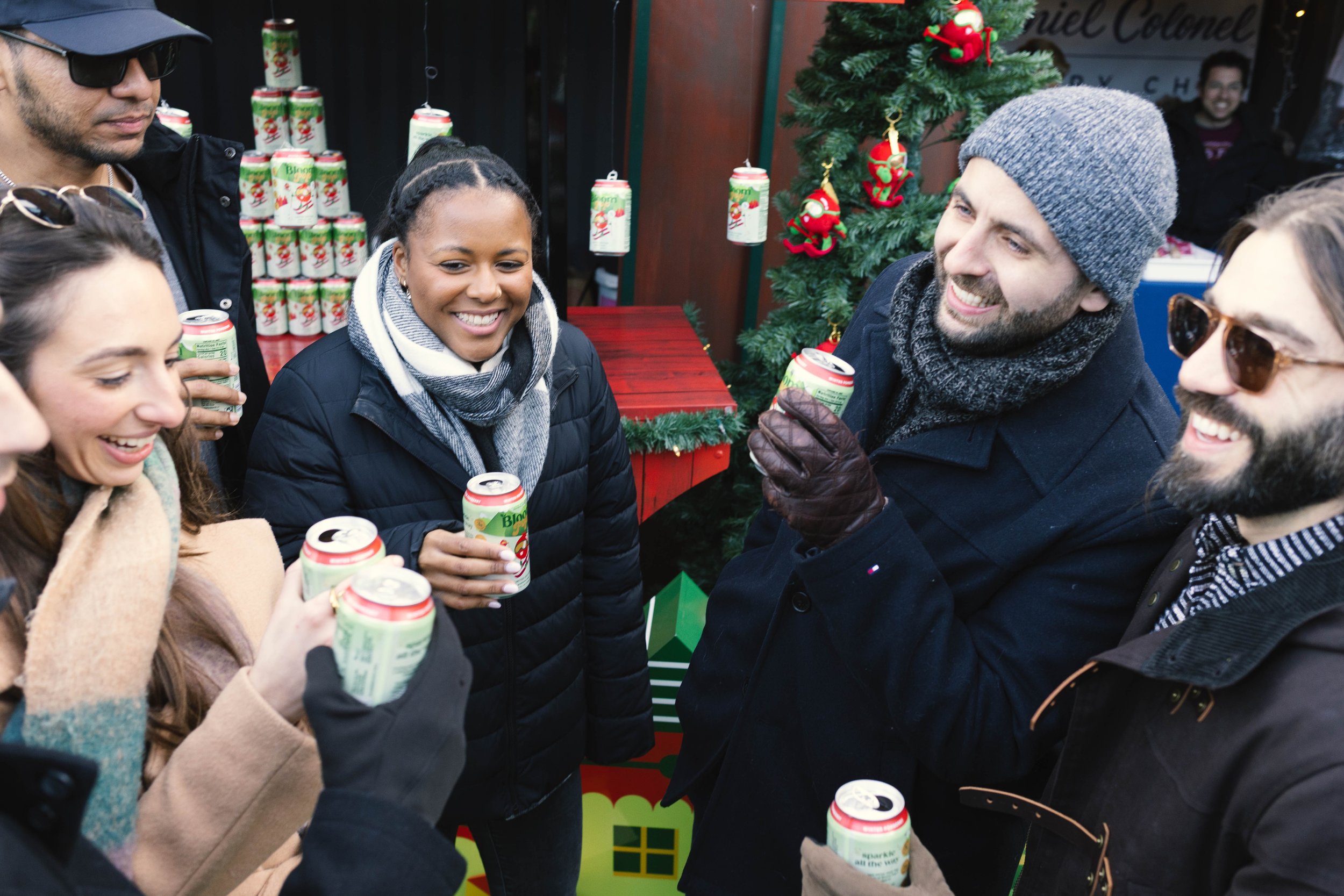
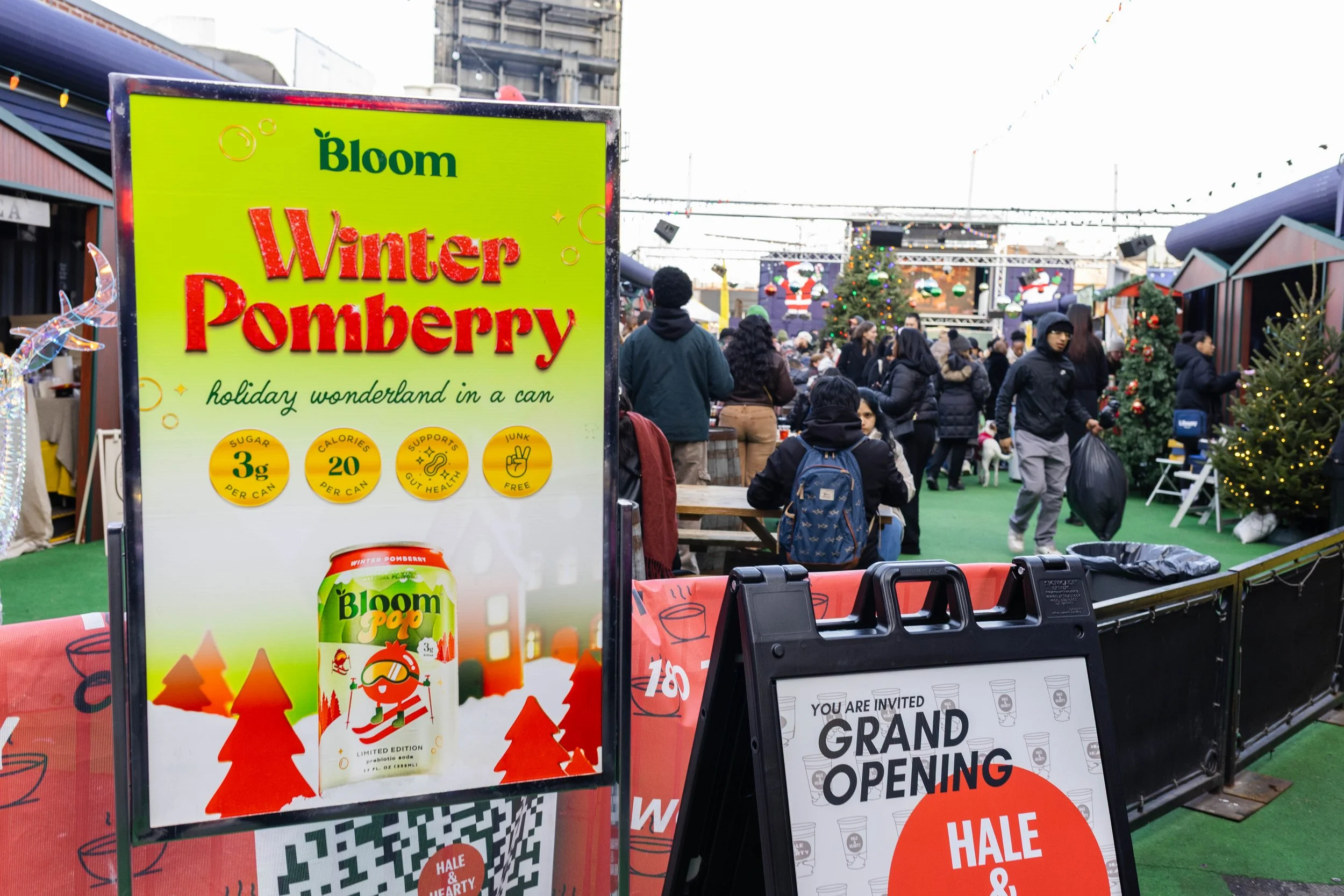
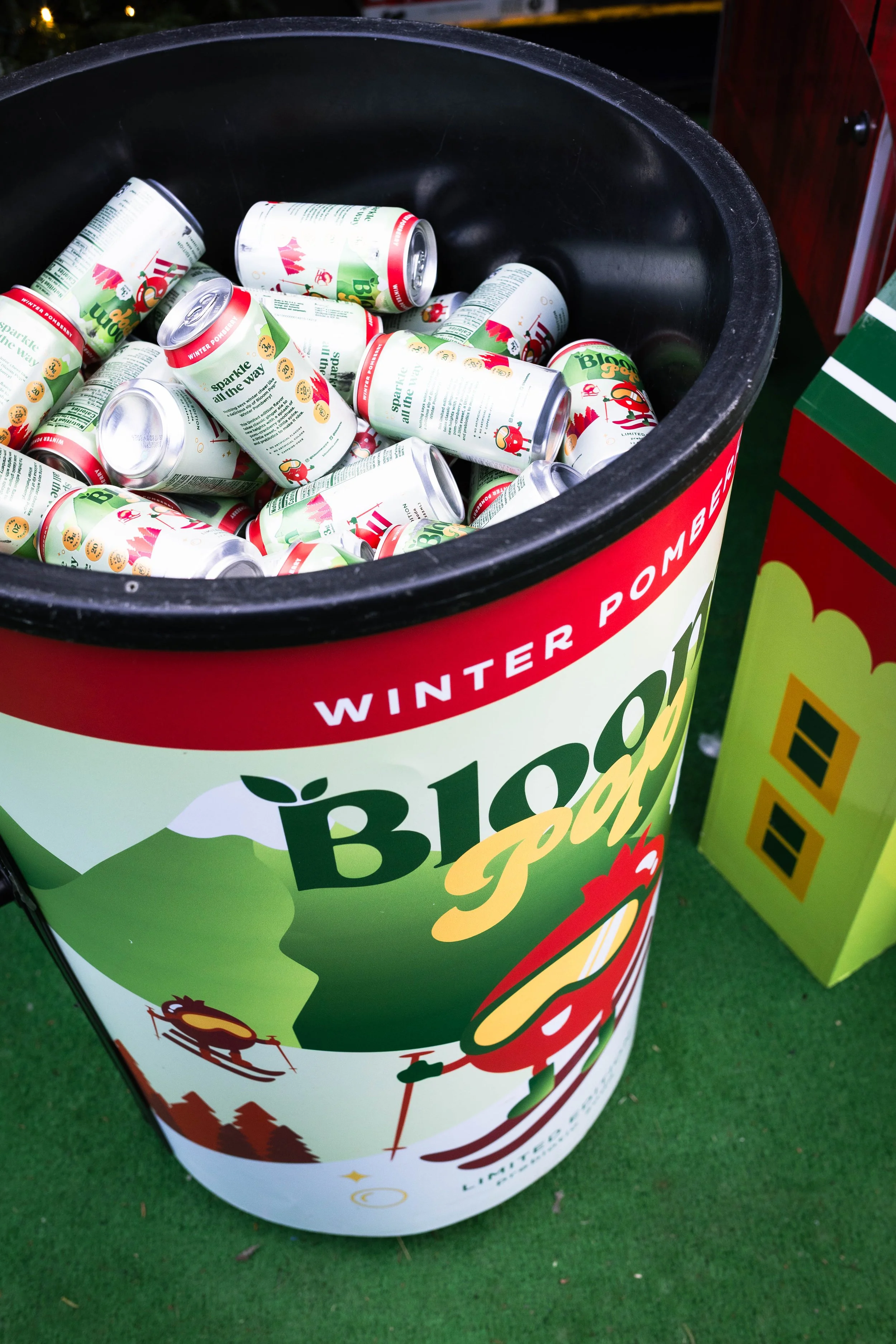
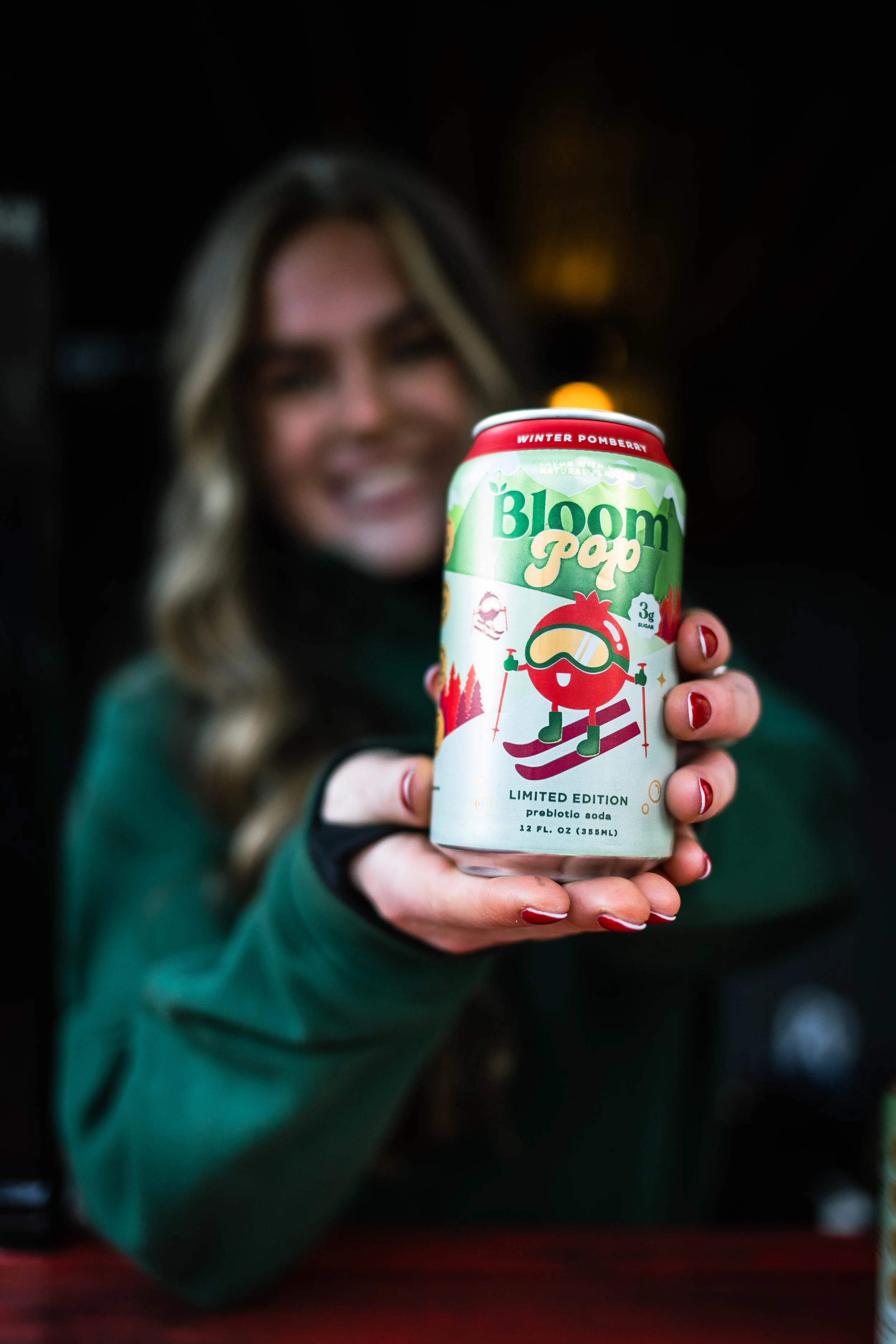
Bloom brought its limited-edition Winterberry flavor directly into two distinctly seasonal environments. At a holiday winter market in Brooklyn, the brand reached consumers while they were already shopping, exploring and looking for festive products. In Los Angeles, Bloom sponsored a screening of Elf, connecting Winterberry with one of the season’s most recognizable cultural traditions.
Both activations used free product samples to turn awareness into firsthand trial. A branded sampling cart created an approachable point of interaction, while a large inflatable, seasonal can designs, signage and a branded Jeep helped the campaign attract attention from farther away. Together, the elements made Winterberry feel bigger than a limited-edition can. They created a complete seasonal brand moment.
The strategy demonstrates how brands can take one holiday product into different priority markets without repeating the exact same experience. The location, event and physical footprint can change while the product story and visual identity remain consistent.
Choose a Sampling Footprint That Fits the Product
Different seasonal products and campaign goals require different experiential formats. The right footprint should account for serving requirements, market count, expected volume, available space and the kind of interaction the brand wants to create.
Mobile Sampling Vehicles
A fully branded sampling vehicle creates a high-visibility centerpiece and makes it possible to tour multiple priority markets. Step vans, food trucks, glass box trucks, Sprinter vans and other custom vehicles can support food and beverage service, product demonstrations, beauty applications, gifting and immersive brand experiences. They are especially effective for multi-city holiday tours because the campaign can bring a consistent experience from one stop to the next.
Branded Sampling Carts
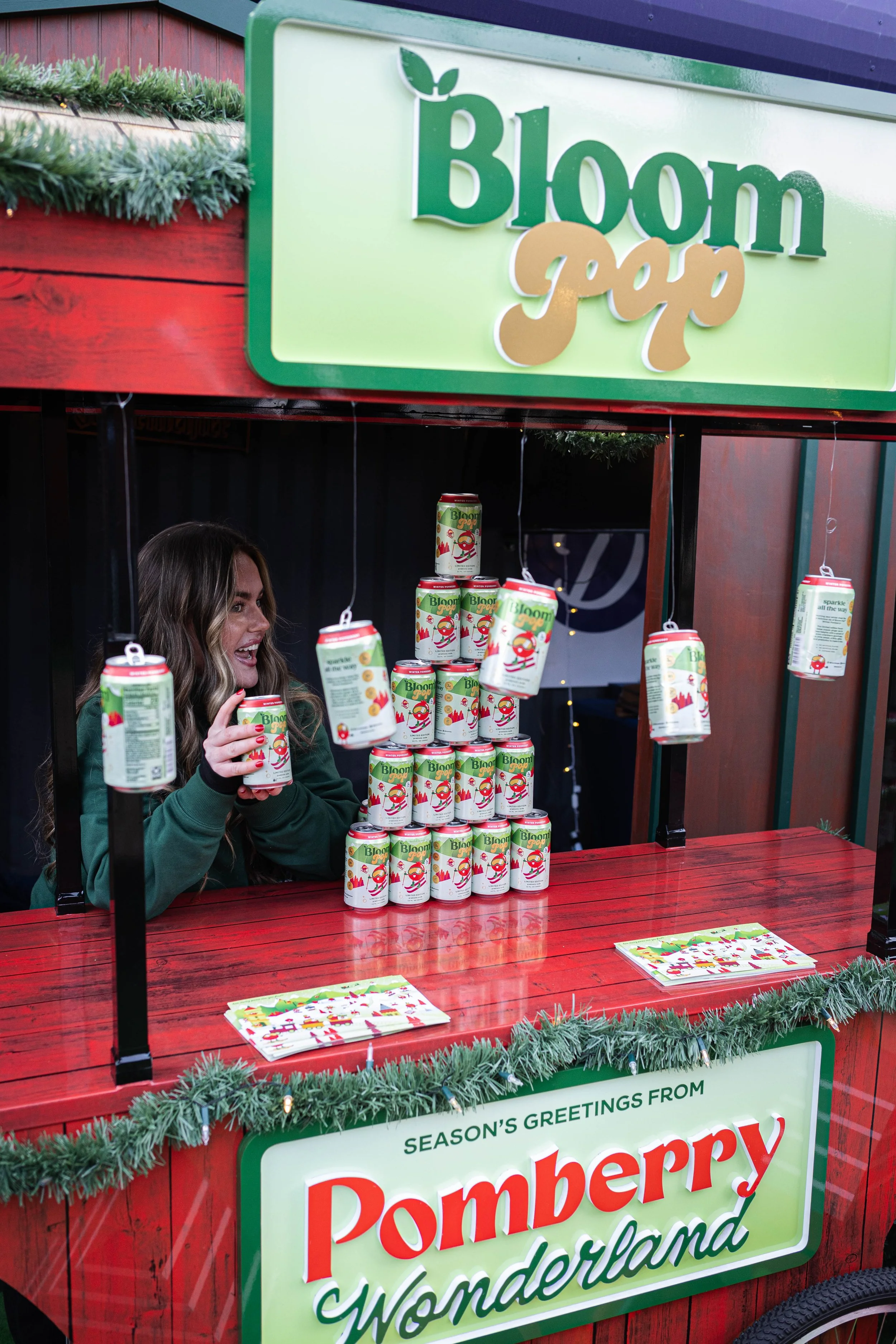
Sampling carts are flexible, approachable and easy to place within shopping districts, campuses, retail environments and event footprints. They work well for coffee, hot chocolate, seasonal beverages, snacks, beauty samples, skincare minis and holiday gift distribution. Several carts can also be deployed across a city or used together to increase serving capacity at a major event.
Pop-Ups and Custom Footprints
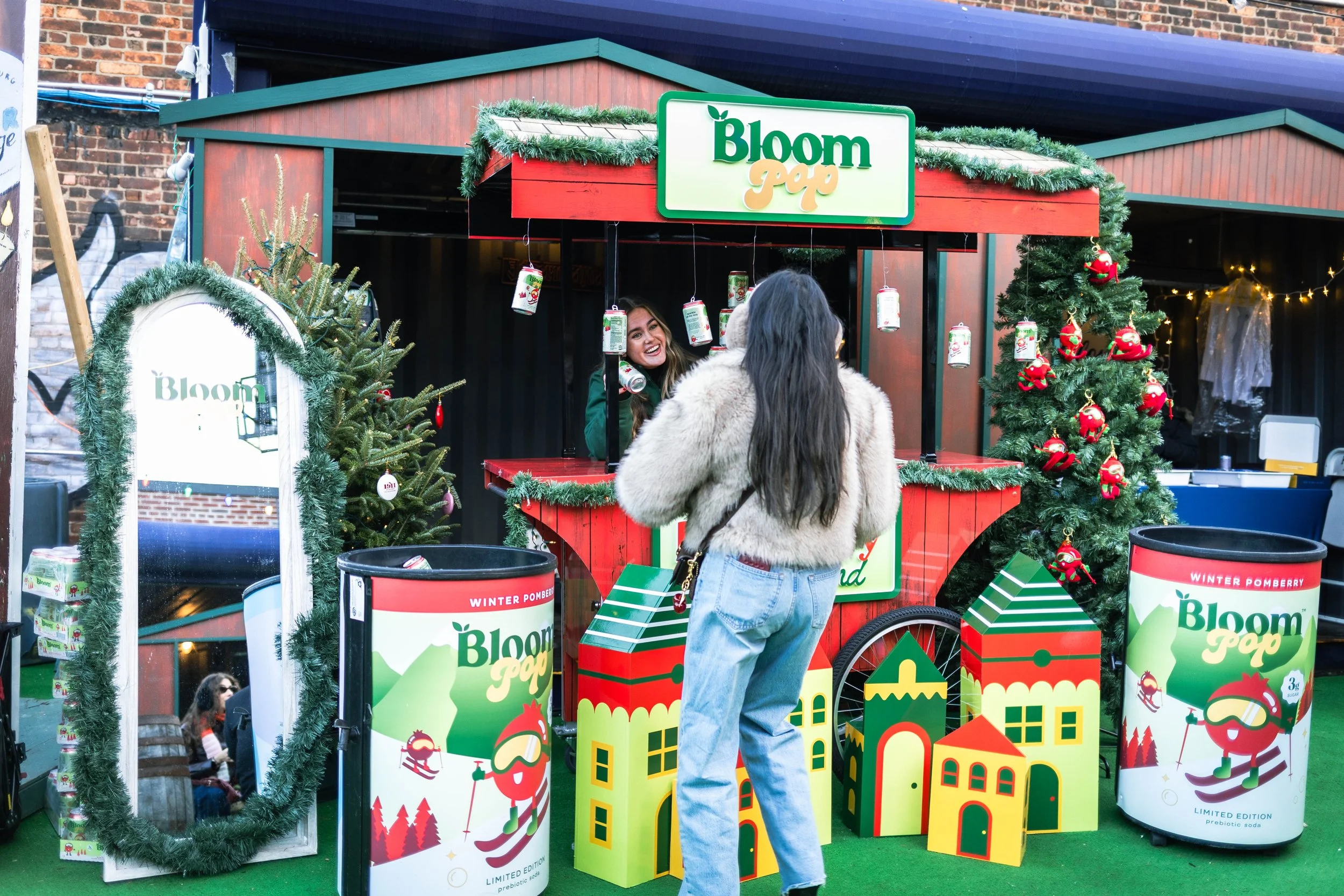
A custom holiday pop-up gives consumers more time to engage. Brands can combine sampling with games, product education, gift personalization, photo moments, demonstrations or on-site purchases. A larger footprint can also showcase an entire seasonal collection rather than a single product.
High-Volume Mobile Distribution
For festivals, campuses, sporting events and dense pedestrian areas, mobile brand ambassadors and wearable sampling systems can distribute products throughout the crowd. This format helps brands extend beyond a fixed footprint while directing consumers toward a nearby vehicle, cart, retailer or QR-based offer.
Turn Every Sample Into a Holiday Sales Opportunity
The most effective seasonal sampling campaigns do not end when the product is handed over. Each interaction should guide consumers toward a clear next action while the product is still relevant and available.
That action might be scanning a QR code to find a nearby retailer, claiming a limited-time discount, purchasing online, joining an email or SMS list, voting for a favorite flavor or sharing content. A brand can also offer a holiday bundle, gift-with-purchase or exclusive product that is only available through the activation.
These actions make the campaign measurable. In addition to samples distributed and total impressions, marketers can track QR scans, offer redemptions, email sign-ups, social engagement, online conversions, retail lift and consumer sentiment. Market-by-market data can reveal where demand is strongest and which flavor, scent or product deserves to return the following year.
Make the Seasonal Moment Bigger Than the Product
Seasonal flavors already arrive with emotion, relevance and urgency built in. Smart holiday marketing amplifies those advantages. Digital advertising can announce the launch and build anticipation, but experiential sampling gives consumers the proof they need to purchase.
A mobile sampling tour, branded vehicle, cart or custom pop-up can take a limited-edition product beyond the shelf and place it directly into the hands of consumers. It allows brands to target priority markets, create content, gather feedback and connect product trial to an immediate sales opportunity.
The holiday season may be brief, but the right experience can turn one seasonal taste, scent or product discovery into lasting brand loyalty.
VTI Studios designs, fabricates and manages mobile sampling tours, branded vehicles, carts and custom experiential footprints for holiday product launches. Start planning early to secure the right markets, events and activation format for your seasonal campaign.