VTI Studios Powerade pop-up
A New Wave of Brand Experiences
Major brands are increasingly turning to experiential marketing to connect with fans in real-world environments. Sports partnerships are becoming one of the most powerful platforms for these activations.
Rather than relying solely on traditional advertising, brands are building physical experiences that encourage fans to interact, share, and participate. These real-world moments create attention that extends far beyond the event itself through social media and earned media coverage.
KitKat’s Formula 1 Activation
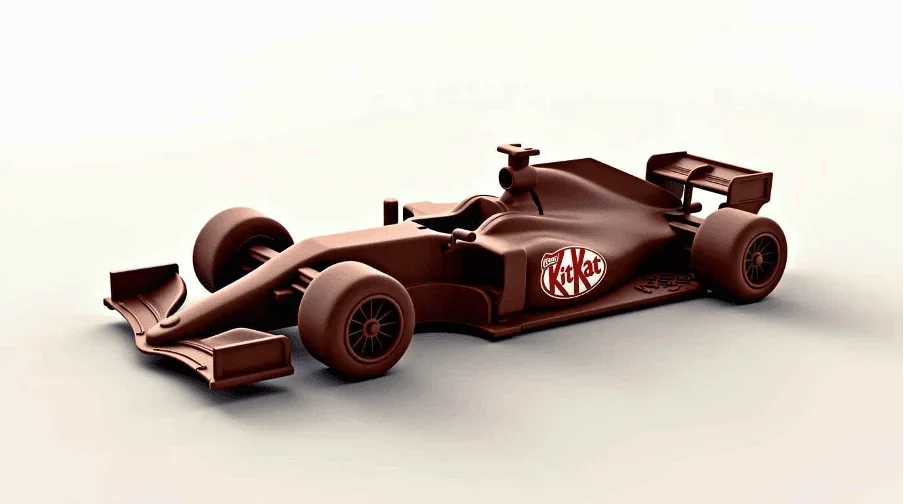
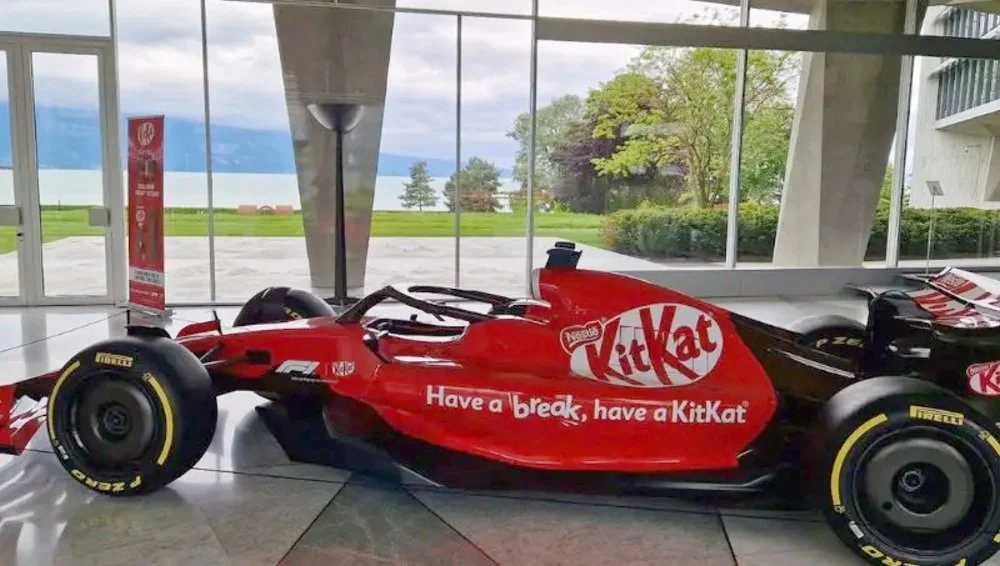
A recent example comes from Nestlé’s KitKat brand, which unveiled a life-sized Formula 1 race car made entirely from KitKat bars as part of a campaign tied to the global Formula 1 circuit.
The installation was built from more than 16,000 KitKat bars and serves as a striking visual centerpiece designed to capture attention at racing events and across social platforms.
By transforming a familiar product into a large-scale spectacle, the brand created a moment that is highly photogenic and immediately shareable.
Why Sports Events Amplify Experiential Campaigns
Sports environments offer a unique advantage for experiential marketing.
Global events like Formula 1 races, festivals, and international tournaments provide brands with massive built-in audiences and highly engaged communities.
When paired with physical installations, pop-ups, or mobile activations, these environments create a powerful feedback loop.
Fans experience the activation in person
They share the moment online
The campaign spreads far beyond the event itself
For brands, the venue becomes more than a place to advertise. It becomes a stage for memorable experiences.
Real-World Activations in Action
Experiential marketing is already shaping how brands show up at major sporting events.
At Formula 1 races, brands often create immersive hospitality environments and pop-up experiences designed to engage fans before and after the race. These activations can range from product sampling to fully branded social spaces that become destinations within the event.
For example, at a recent Formula 1 event, VTI Studios supported a branded pop-up cocktail truck activation for Patrón Tequila. The mobile experience allowed guests to engage with the brand in a relaxed social setting while enjoying custom cocktails. This turned a simple beverage service into a memorable brand interaction.
Sports partnerships are also increasingly using experiential formats to connect with fans on a deeper level. VTI Studios has also supported fan engagement activations for Borussia Dortmund (BVB), one of Europe’s most recognizable football clubs. These activations help create environments designed to bring supporters closer to the team and its culture.
These types of activations reflect a growing shift toward experiences that are not only memorable in person, but also highly shareable online.
The Bigger Trend for Brands
Campaigns like KitKat’s Formula 1 installation reflect a broader shift in marketing strategy.
Brands are increasingly prioritizing memorable physical experiences that create emotional connections with audiences.
From large-scale installations to mobile activations and traveling pop-ups, experiential marketing is becoming a core channel for generating attention, cultural relevance, and social media engagement.
For marketers, the takeaway is clear. Real-world experiences are no longer just an add-on to campaigns. They are becoming one of the most powerful ways brands can cut through the noise and connect with audiences in meaningful ways.
Source:
ConfectioneryNews reporting on Nestlé’s Formula 1 KitKat activation.