Brands Are Taking Experiences on the Road
Experiential marketing continues to evolve as brands look for new ways to reach audiences in real-world environments. One strategy gaining momentum is the use of mobile activations that bring branded experiences directly to consumers.
Instead of relying only on fixed event spaces or retail environments, brands are increasingly using custom vehicles, pop-up installations, and traveling experiences to connect with audiences across multiple cities and markets.
This approach allows campaigns to reach people where they already gather. Music festivals, sporting events, city centers, and college campuses have become key destinations for these mobile brand experiences.
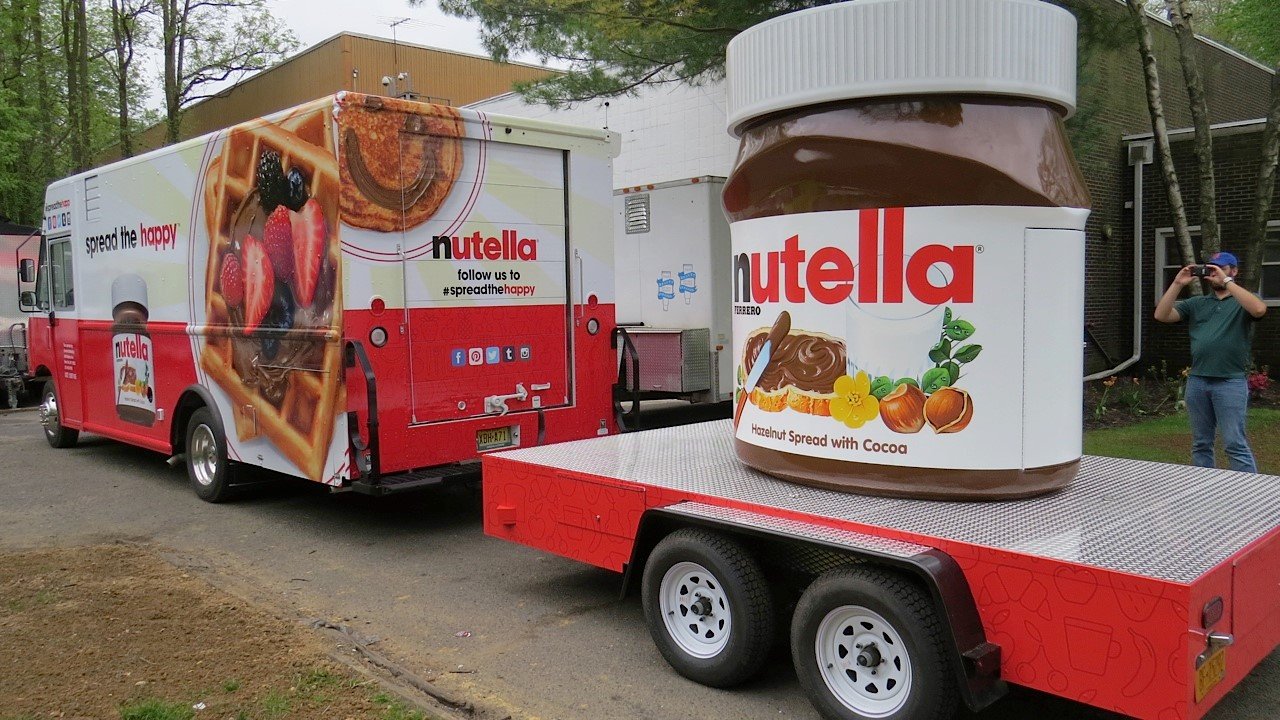
Nutella ‘spread the happy’ tour by VTI Studios
The Rise of Mobile Experiential Campaigns
Mobile activations give brands a unique advantage in experiential marketing. They combine physical presence with flexibility, allowing campaigns to move between locations while maintaining a consistent brand environment.
A well-designed mobile activation can function as many things at once. It can serve as a sampling station, a retail pop-up, a hospitality lounge, or a social media moment designed to generate shareable content.
Because these experiences travel between markets, brands can extend the life of a campaign and reach new audiences without building entirely new installations in each city.
Experiential Marketing at Major Events
Large events are one of the most common environments for mobile activations.
Sporting events, festivals, and cultural gatherings attract highly engaged audiences who are already looking for memorable experiences. When brands introduce mobile activations into these environments, they create interactive moments that feel natural within the event atmosphere.
For example, mobile beverage activations have become increasingly popular at events like Formula 1 races and music festivals. These environments allow brands to combine hospitality, product sampling, and social engagement in one place.
By designing an activation that encourages interaction and photo sharing, brands can turn a simple product moment into a highly visible campaign.
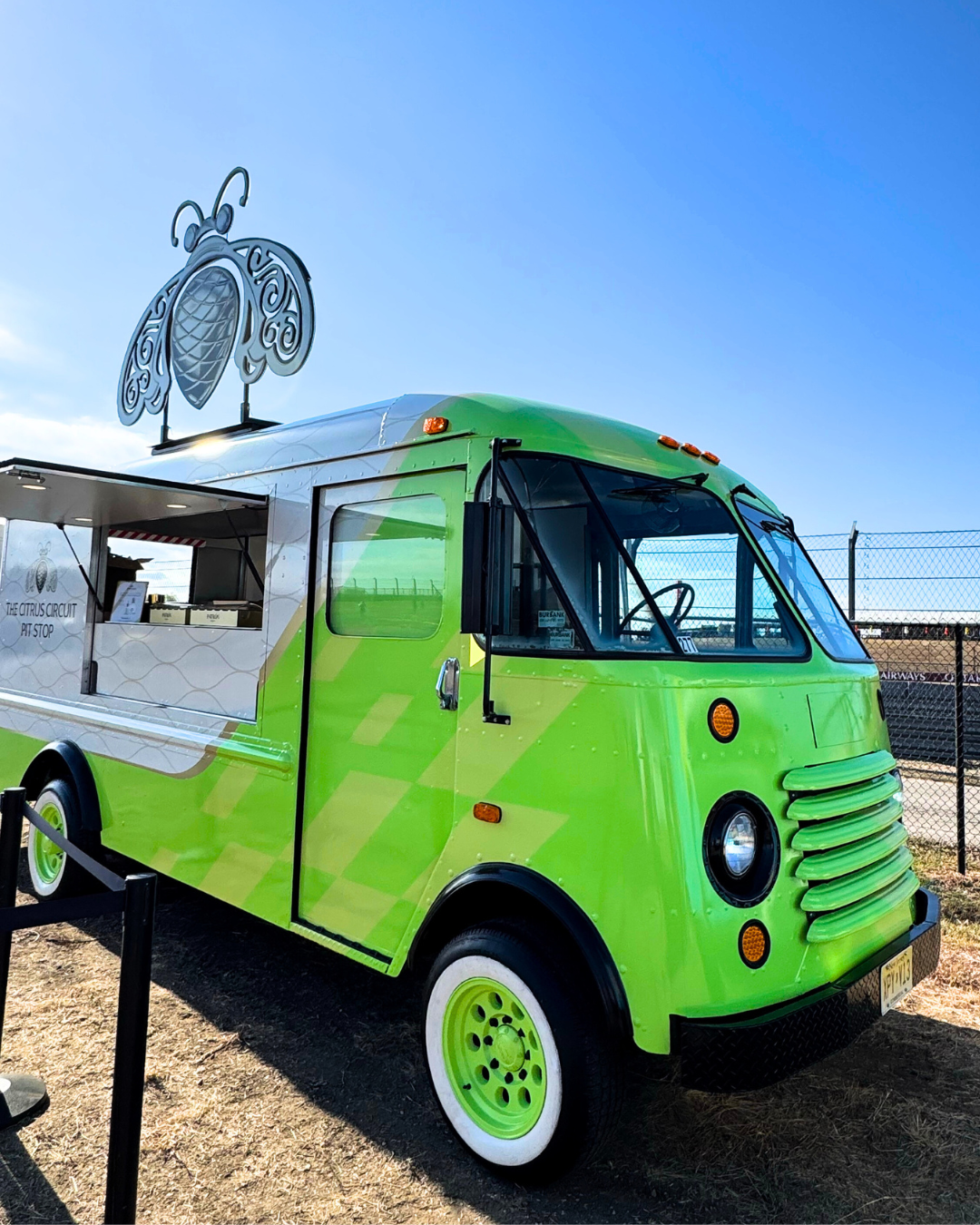
Patron at Formula 1, powered by VTI Studios
Turning Physical Experiences Into Social Moments
One of the biggest advantages of experiential marketing is its ability to generate organic digital reach.
When an activation is visually striking or interactive, attendees naturally capture and share the experience on social media. This user-generated content expands the campaign's visibility far beyond the original event.
Mobile activations are particularly effective for this type of engagement because they often feature bold branding, immersive design, and highly photogenic environments.
For brands, this creates a powerful combination of physical presence and digital amplification.
The Future of Experiential Campaigns
As experiential marketing continues to grow, mobile activations are expected to play an even larger role in campaign strategy.
Brands are looking for flexible ways to create memorable experiences while reaching audiences across multiple locations. Mobile activations provide a scalable solution that can travel between events, cities, and cultural moments.
For marketers, the opportunity is clear. The most successful campaigns will combine strong creative concepts with real-world environments that invite audiences to participate, share, and engage with the brand.
Experiential marketing is no longer limited to one location. Increasingly, the experience itself is on the move.
Industry insights referenced from reporting and trends covered by:
Event Marketer
BizBash
Campaign Live